

Knee Pain? Understand the Causes of Pain When Bending & How to Relieve It?
Knee Pain? Understand the Causes of Pain When Bending & How to Relieve It?
What to do with knee pain? When your knees or joints hurt, it’s not just walking that becomes difficult, it can affect your daily activities, reduce your motivation for outdoor or social activities, and in severe cases, certain tasks may become challenging. Don’t let knee pain affect your quality of life. Start by understanding the causes of knee pain so you can take actions early when it occurs.
Knee Pain Causes: 2 Common Types of Arthritis
Arthritis is one of the main causes of knee pain, with rheumatoid arthritis and osteoarthritis being the most common. Each type has different triggers and symptoms. Read on and learn more about them.
Rheumatoid Arthritis,RA
A chronic autoimmune disease in which the body’s immune system mistakenly attacks the joint synovium, causing inflammation and damage. Symptoms typically appear on both sides of the body with redness, swelling, warmth, and pain in the joints. In severe cases, joint damage or deformity may occur, leading to permanent loss of function. It commonly affected joints include the wrists, fingers, knees, and ankles, and systemic symptoms such as fatigue, low-grade fever, and loss of appetite.
Osteoarthritis
Osteoarthritis is mainly caused by joint wear and the natural aging process. Over time, the cartilage between joints gradually degenerates and thins (wears down), leading to friction between bones and resulting in pain. The main symptoms include joint pain and stiffness, which often worsen after activity. In severe cases, joint swelling may occur. Osteoarthritis primarily affects weight-bearing joints such as the knees, hips, and spine, impacting mobility and quality of life.
Whether it is rheumatoid arthritis or osteoarthritis, improvement and recovery are possible. Early care is crucial at the initial stage of symptoms. By taking step to support joint health before pain starts to interfere with daily life and work, and seeking medical assistance when necessary, pain can be effectively reduced, joint function improved, and further deterioration prevented.
6 Common Joint Issues
Joint discomfort can have many causes. Self-assessment can help you determine what kind of care or treatment may be needed. Here are some of the most common joint problems:
- Pain: Knee pain can be sharp, dull, or worsen during activity, affecting daily activities and quality of life
- Inflammation: Knee inflammation typically occurs as the body’s response to injury, infection, or chronic conditions
- Swelling: Fluid buildup and inflammation can cause swelling, restricting the knee’s range of motion
- Fatigue: Persistent pain and discomfort may lead to overall physical fatigue
- Limited mobility: The knee’s range of motion may be reduced, making it difficult to fully bend or straighten
- Stiffness / Difficulty walking: Especially after prolonged rest or in the morning, making activity like walking, climbing stairs, or standing for long periods become challenging
Sudden Knee Pain: What to Do? Pain When Bending the Knee? Causes of Acute Knee Pain
Knee pain is a common problem among older adults and athletes. Acute knee pain is usually caused by a sudden injury or trauma, with common causes including:
Ligament sprains or tears
For example, injuries to the anterior cruciate ligament (ACL) or medial collateral ligament (MCL) often occur due to intense exercise, falls, or accidental twists.
Meniscus tear
The meniscus is the cartilage in the knee joint that absorbs impact and stabilizes the joint. Sudden twists or excessive pressure on the knees can cause a meniscus tear, which may result in severe pain.
Knee dislocation
Knee dislocation occurs when the kneecap (patella) moves out of its normal position, usually caused by a significant impact or trauma.
How to relief knee pain?4 Basic Steps of First Aid
- Rest: Give the injured knee adequate rest to prevent further damage.
- Ice: Wrap ice in a bag or towel and apply to the knee for 15–20 minutes to reduce swelling, pain, and inflammation.
- Compression: Use an elastic bandage to wrap the knee, ensuring circulation is not restricted, to help stabilize the joint.
- Elevation: When sitting or lying down, raise the injured knee above heart level. Support it with a pillow or cushion.
Long-term causes of chronic knee pain
According to statistics from the Ministry of Health and Welfare, about 3.5 million people in Taiwan have osteoarthritis. Among seniors aged 58 and above, 1 in 5 suffers from joint degeneration, with women being more affected than men. On average, a person’s joints move around 1 million times per year, the more they are used, the greater the wear and tear. With an average life expectancy of 81.3 years in Taiwan, a lifetime can involve over 80 million joint movements. Here is a closer look at chronic knee problems:
- Osteoarthritis : Gradual degeneration of the knee cartilage increases friction between joints, leading to pain, swelling, and limited mobility.
- Patellofemoral Pain Syndrome : Pain caused by friction between the patella and femur, usually due to poor posture, overuse of the knee, or misalignment of the patella.
- Meniscus degeneration or tears : With age or excessive joint use, the meniscus can degenerate or tear, causing knee instability and pain.
- Tendinitis : Inflammation of the patellar tendon or quadriceps tendon due to overuse, often occurring after exercise or intense activity
- Poor posture or muscle imbalance: Long-term improper posture or uneven muscle strength can overload the knee joint, resulting in pain.
Management of Chronic Knee Pain
Rest and Activity Modification
Reduce the load on the knees by avoiding excessive exercise or intense activities, allowing time for recovery.
Physical Therapy
A physical therapist can design strengthening and stretching exercises for the knee to build the surrounding muscles, improve stability and reduce pain.
Heat Therapy
Applying heat helps relax stiff muscles and joints, helping to relieve pain.
Use of Knee Supports
Knee braces or supports can stabilize the joint, reduce pressure, and prevent further deterioration.
Weight Management
Maintaining a healthy weight reduces stress on the knees, decreasing pain and joint wear.
Medication
Non-steroidal anti-inflammatory drugs (NSAIDs) or pain relievers can help reduce pain and inflammation when necessary.
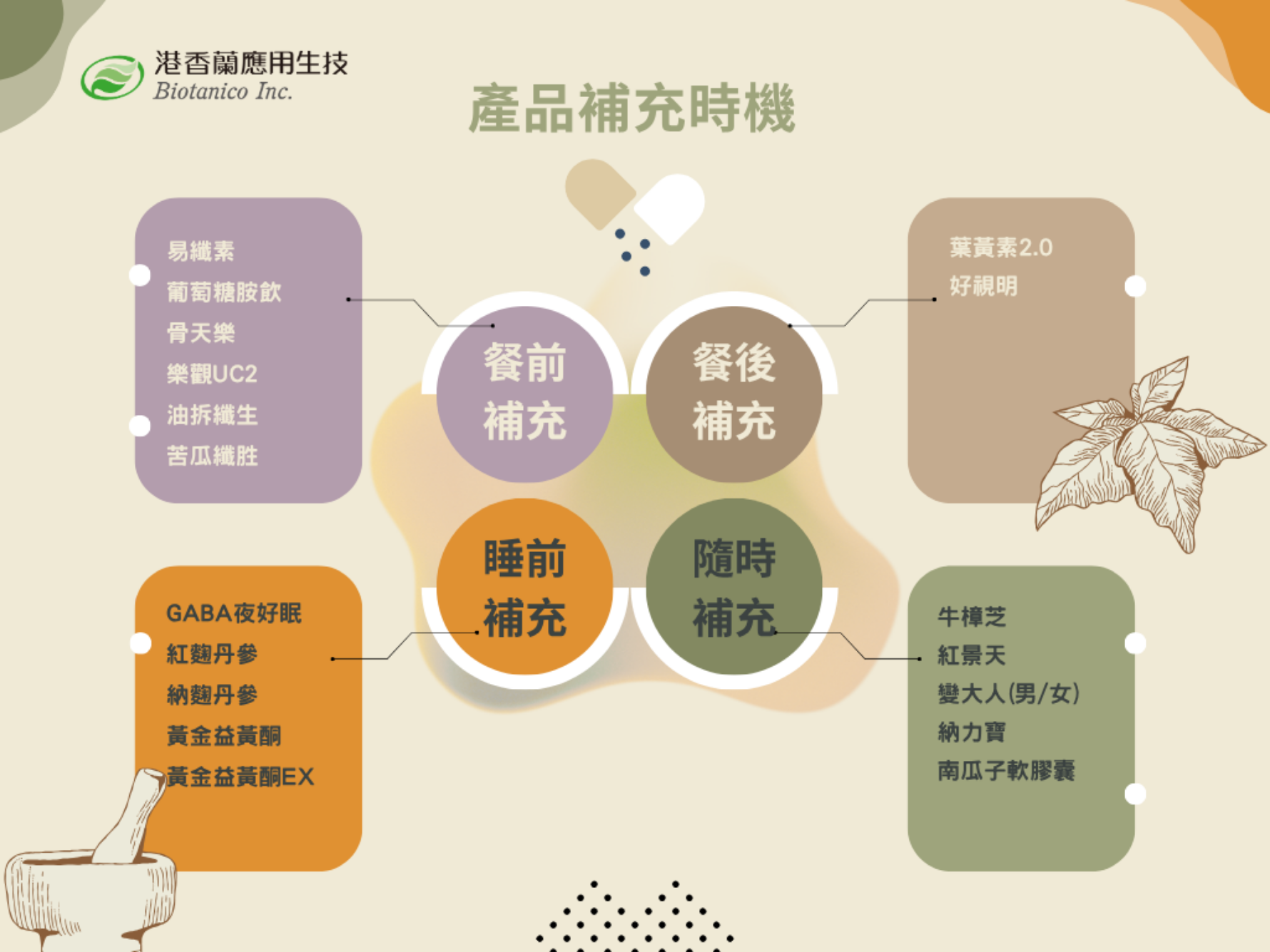
What supplements help with knee pain? Maintain healthy joints with the right nutrients!
In addition to the methods mentioned above, taking appropriate joint health supplements can also help improve knee condition. Here are some common supplements that support knee joint health:
Undenatured Type II Collagen:
UC-II, an undenatured type II collagen, preserves its natural triple-helix form and supports joint activity.
Glucosamine:
Glucosamine is essential for joint health, supporting cartilage repair and slowing joint degeneration. It may help osteoarthritis patients reduce knee pain and enhance mobility.
Chondroitin:
Chondroitin helps enhance joint elasticity and lubrication, protects knee cartilage, reduces degeneration, and works even better when combined with glucosamine.
Omega-3 Fatty Acids:
Omega-3 fatty acids have anti-inflammatory properties that are especially effective for knee joint pain. Omega-3s derived from fish oil or flaxseed oil can help reduce inflammation and relieve discomfort in the knee joints
Methylsulfonylmethane:
MSM, an organic sulfur compound that helps reduce joint inflammation, support joint health, and promote cartilage repair and regeneration.
Curcumin:
Curcumin has powerful antioxidant and anti-inflammatory properties, effectively relieving pain and inflammation caused by joint degeneration. Regular supplementation with curcumin may help reduce knee pain, particularly those with osteoarthritis.
Vitamin D and Calcium:
Vitamin D and Calcium contribute to bone health and strengthen the structural support of the knee joint. Vitamin D also promotes calcium absorption, helping to lower the risk of osteoporosis.
Hyaluronic acid:
Hyaluronic acid is a natural lubricant in the knee joint that helps maintain normal joint fluid function, reduce friction, and relieve knee pain.
Joint Degeneration is Inevitable
Knee joints naturally wear down over time due to aging or repeated use. To maintain knee healthy knees, it is important to combine a balanced diet with regular exercise to strengthen muscles and support joint stability.
Consumers should understand that supplements are intended only as a supportive aid and cannot replace professional medical treatment. Consulting a doctor or nutritionist before purchasing is recommended, especially for those taking other medications or with specific health conditions.
Experts remind us that effectively managing chronic knee pain requires a comprehensive approach. This involves adopting healthier lifestyle habits, supporting joint health with the right supplements, staying active through regular exercise, and seeking professional medical care when needed.
Common Questions About Knee Pain | Expert’s Answer
We spoke with Dr. Chih Hsiang Chuang, a respected acupuncture specialist basedin Tainan, to learn her expert insights on maintaining knee care
Knee Pain in Traditional Chinese Medicine (TCM)
In Tradition Chinese Medicine(TCM), knee pain is often considered as a type of “Bi Syndrome”. It occurs when external pathogenic factors invade the meridians, leading to stagnation of Qi and blood. As a result, symptoms such as soreness, pain, numbness, heaviness, and restricted movement in the joints and limbs.
臨床依體質證型又可分為:
Q:Clinical Classification by Pattern and Constitution:
A:
- Wind-Cold-Damp Bi : Characterized by soreness or heaviness in the joints and muscles, sometimes accompanied by numbness. Chronic cases may lead to stiffness in the limbs or even joint swelling.It can be further divided into the following three types:
*Migratory Arthralgia Joint pain that moves from one location to another without a fixed site, sometimes accompanied by alternating chills and fever. Tongue coating: yellow and greasy; pulse: floating.
*Painful Bi : Pain occurs in a fixed location across the body or specific joints; symptoms relieved by warmth but worsened by cold. Tongue coating: white; pulse: wiry and tight.
*Fixed Bi: Joint soreness with localized numbness; triggered by damp or cold weather. Tongue coating: white and greasy; pulse: soft and slow. - Hot Bi
Presents as joint soreness, localized heat and swelling, severe pain that resists touch, and limited joint movement. It can affect single or multiple joints, and is often accompanied by fever, thirst, yellow dry tongue coating, and slippery rapid pulse.
Q:How to Prevent Knee Degeneration?
A:
To prevent degenerative knee arthritis, it is important to maintain a regular exercise routine. Moderate exercise helps strengthen the muscles around your joints, improves joint stability, and helps your joints support your body weight. This also helps reduce cartilage wear and tear by preventing muscle loss and maintaining joint stability.
For those whose work involves prolonged walking, standing, or lifting heavy objects, as well as those who do high-intensity exercise, taking supplements that support bone, cartilage, and joint lubrication health may be beneficial.
Q: What is the difference between UC-II and regular collagen?
A:
UC-II, or Undenatured Collagen Type II, is a type of collagen that keeps its natural structure without being damaged, preserving the original triple-helix formation and full biological activity to achieve maximum effects.
The human body contains about 28 types of collagen, with Type II collagen being the main form associated with joint health. Some people try to boost their intake by cooking the cartilage of pork, chicken, or fish. However, high-temperature cooking destroys the natural triple-helix structure of collagen, so it no longer works effectively.
Undenatured Type II collagen must be extracted through a specialized patented low-temperature process to preserve its complete structure. Additionally, it is hard to determine how much collagen is actually obtained when consuming it through regular food sources.
Q: What are the difference between Collagen Type I and Collagen Type II?
A:
- Type I Collagen: Extracted from sources such as pig skin, cowhide, fish skin, and fish scales. It is distributed throughout the body, accounting for about 90% of total collagen, and supports skin health, promoting beauty, and maintaining a youthful appearance.
- Type II Collagen: Mainly extracted from chicken sternum cartilage, salmon nasal cartilage, and similar sources. It is primarily found in key moving joints and is associated with maintaining mobility and flexibility.
Q:How to Choose an Effective Knee Health Supplement?
A:
- Choosing UC-II: Scientific studies show that a daily intake of 40 mg of UC-II is needed to help maintain healthy mobility. Therefore, when choosing a product, make sure it provides at least 40 mg of UC-II per serving.
- Choosing Glucosamine: Glucosamine is a naturally occurring lubricant that the body can produce. Its main component is an amino sugar, which is essential for the synthesis of glycoproteins, glycosaminoglycans, and the formation of cartilage cells. It helps maintain synovial fluid function, supporting joint health and comfort.
As we age, glucosamine breaks down faster than it is synthesized, so supplementing glucosamine can help maintain joint mobility and smooth movement.
Glucosamine is available in three forms: glucosamine sulfate, glucosamine hydrochloride, and N-acetyl glucosamine. Glucosamine sulfate is suitable for patients with osteoarthritis-related pain, but it is regarded as a medication and should only be taken under the guidance of a doctor’s or pharmacist. The other two forms are food-grade supplements and can be taken daily for routine joint maintenance. - Choosing Calcium Supplements:Calcium supplementation helps protect bone health, supports normal development and maintenance, and ensures proper skeletal strength for good posture. The recommended daily calcium intake for adults is 1,000 mg. There are many calcium products on the market, and they differ in calcium content and absorption rate as shown in the table below:
| Calcium Type | Calcium Content | Absorption Rate |
| Calcium Carbonate | High | Low to Average |
| Calcium Citrate | Moderate to High | High |
| Algae Calcium | High | Average |
| Calcium Type | High | Low to Average |
| Amino Acid Chelated Calcium | Low | High |
| Calcium Lactate | Low | Averag |
| Calcium Acetate | Low | Average |
| Calcium Gluconate | Low | Low |
Calcium citrate and algae calcium are good options because of their high calcium content and absorption. Choose according to your budget..

Expert Interview | Dr. Chih-Hsiang Chuang, TCM Physician
Current Position | Director, Shin Yi De TCM Clinic
- Neurological Disorders: Stroke, traumatic brain injury, cranial nerve conditions (facial nerve, trigeminal nerve), as well as treatment for general pain, numbness, and paralysis.
- Acupuncture & Techniques: Scalp acupuncture, ocular acupuncture, auricular acupuncture, small needle knife therapy, fire needle, new nine-needle therapy, painless laser acupuncture, and intradermal needle therapy.
- Internal Medicine & General Care: Cerebrovascular diseases, hepatobiliary and gastrointestinal disorders, respiratory conditions (e.g., allergic rhinitis), dermatological issues (acne, dermatitis, wound care), gynecological conditions (menstrual disorders, menopause, prenatal and postpartum care), and more.
Education & Experience
- Director, Shin Yi De TCM Clinic
- Director, Department of Acupuncture, Chimei Medical Center, TCM Division
- Attending Physician, Chimei Medical Center, TCM Division
- Co-Host, Physician Training Program for TCM Medical Institutions
- Member, Institutional Review Board (Human Research), Chimei Medical Center
- Member, Medical Ethics Committee, Chimei Medical Center
- Member, Stroke Center, Chimei Medical Center
- Member, Traumatic Brain Injury Center, Chimei Medical Center
- Certified Acupuncture Specialist, Chinese Acupuncture Association
- Board Director, Chinese Acupuncture Association
- Adjunct Lecturer, Chia Nan University of Pharmacy & Science
- Adjunct Lecturer, China Medical University