



Choosing the Right Lutein: Free-Form vs. Esterified
How to Choose Lutein: Free-Form vs. Esterified for Better Absorption
What is Lutein?
Lutein is a natural carotenoid commonly found in dark green vegetables such as spinach, kale, and collard greens, as well as in flowers like marigold and calendula. Since the human body cannot produce lutein on its own, it must be obtained through diet or supplementation. Lutein is mainly concentrated in the macula and retina, where it helps filter blue light and protects the eyes from oxidative damage caused by free radicals1.
Which one is better, Free-Form or Esterified?
Free-Form Lutein
Free-form lutein is the natural form produced after enzymatic hydrolysis in plants. It does not require further breakdown in the body, so it offers higher absorption efficiency. Multiple studies show that free-form lutein can be absorbed directly through the small intestine, resulting in faster increases in blood lutein levels and better absorption. However, free-form lutein is more sensitive to light and heat, and improper storage or packaging may reduce its stability and activity.
• Esterified (Lipid Form) Lutein
Esterified lutein is the form originally present in plants. With a larger molecular structure, it must be converted by enzymes in the body before it can be absorbed. If dietary fat intake is insufficient, absorption efficiency may be reduced2.
How to Take Lutein: Best Timing and Paring for Optimal Absorption
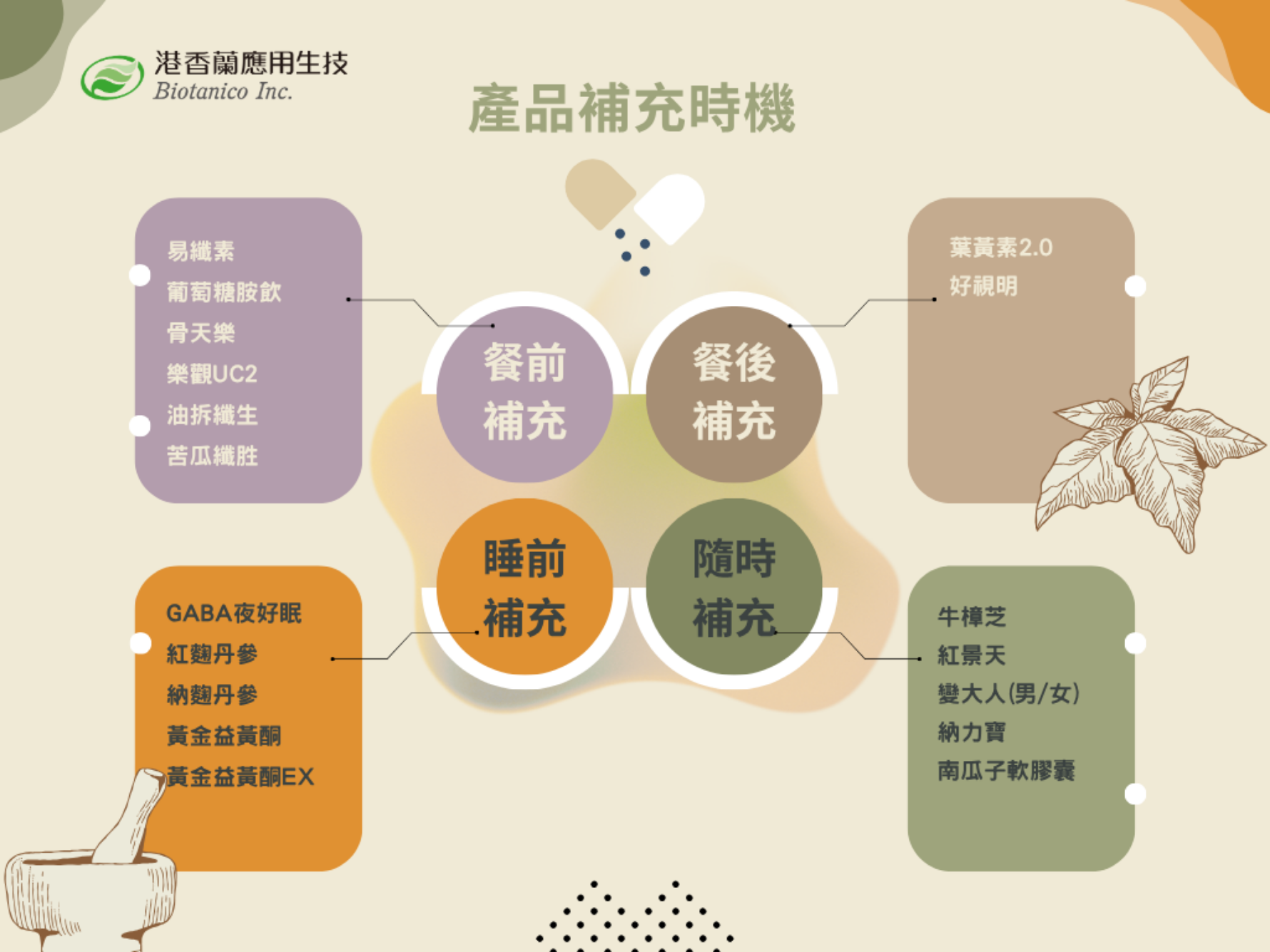
Lutein is a fat-soluble nutrient, which means it requires dietary fat for effective absorption. For this reason, it is recommended to take lutein supplements after breakfast or lunch, paired with meals that contain a moderate amount of fat, such as eggs, nuts, milk, or dishes cooked with vegetable oil. Taking lutein in the evening or before bedtime is generally not recommended, as fat-soluble formulations may be slower to leave the stomach, potentially causing bloating, slower digestion, or mild discomfort for some people.
The simple guideline is to “take lutein after meals, pair with fat, and avoid taking it too late”, ensuring it is absorbed and utilized efficiently in the body.
Is More Lutein Always Better?
Lutein is a fat-soluble nutrient. Research indicates that excessive intake is generally non-toxic. However, some people may experience mild yellowing of the skin (known as carotenemia) if they consistently consume more than 20 mg per day. This condition is harmless and reversible, so there is no need for concern.
According to the Taiwan Ministry of Health and Welfare, the daily upper limit for lutein is 30 mg. Meanwhile, the large U.S. clinical study AREDS2 found that a daily intake of 10 mg is sufficient to support eye health.
How to Choose Lutein: 5 Principles for Optimal Absorption and Stability
According to the AREDS2 study, lutein and zeaxanthin taken in a 10:2 ratio can effectively support eye health. Additionally, formulations that include astaxanthin, hyaluronic acid, or black soybean seed coat extract can increase hydration, protection, and reduce fatigue caused by prolonged screen use.
【1.Complete Formulation】
According to the AREDS2 study, lutein and zeaxanthin taken in a 10:2 ratio can effectively support eye health. Additionally, formulations that include astaxanthin, hyaluronic acid, or black soybean seed coat extract can increase hydration, protection, and reduce fatigue caused by prolonged screen use.
【2. Pair with Fat-Soluble Ingredients】
Lutein is fat-soluble. Consuming it with foods rich in fats, such as egg yolks, nuts, or plant oils or with oil-based supplements can improve absorption. Research shows that taking lutein with dietary fats can increase blood lutein levels by over 30%. It is recommended to take it after meals for optimal effect5.
【3. Storage Conditions】
Lutein is sensitive to light and heat. Choose products with light-proof, moisture-proof packaging. After opening, consume promptly and avoid frequent opening and closing. Keep the supplement away from high temperature, humidity, or direct sunlight (e.g., inside a car or near a window) to maintain stability.
【4. Safety Testing】
Every batch should undergo rigorous safety testing, including checks for pesticide residues, heavy metals, and microbes. In addition, pre-market testing for ingredient content and stability ensures product quality and safe consumption.
【5. Daily Intake】
The human body cannot synthesize lutein, and daily metabolism varies. Consistent supplementation is essential to maintain stable levels. Whether you choose free-form or esterified lutein, selecting a reliable brand with a complete formulation and taking it daily is the key to supporting eye health.
Eye care cannot be achieved with occasional supplementation; only regular daily intake of high-quality formulations can truly maximize lutein's benefits.
References
- Krinsky NI, Johnson EJ. Carotenoid actions and their relation to health and disease. Molecular Aspects of Medicine. 2005;26(6):459–516.
- Naguib et al., Food Chemistry, 2013; Hempel et al., Trends in Food Science & Technology, 2019.
- Choi RY, Chortkoff SC, Gorusupudi A, Bernstein PS. Crystalline maculopathy associated with high-dose lutein supplementation. JAMA Ophthalmol. 2016;134(12):1445–1448.
- Krinsky & Johnson, Molecular Aspects of Medicine, 2005; Chung et al., J Food Sci, 2004.
- Bowen et al., Nutrition Journal, 2002.