


What to do about Menstrual Cramps? When to Drink Sheng Hua Tang? Unveiling the Secrets of TCM for Period Relief
Struggling with Menstrual Pain? When to Take Shenghua Decoction? Unveiling the Secrets of Traditional Chinese Medicine for Period Relief
What should you do when menstrual cramps strike? Period pain has long been a common concern for many women. Studies show that up to 84.1% of women experienced menstrual discomfort, with 43.1% suffering from pain every month, and 41% from occasional cramps.
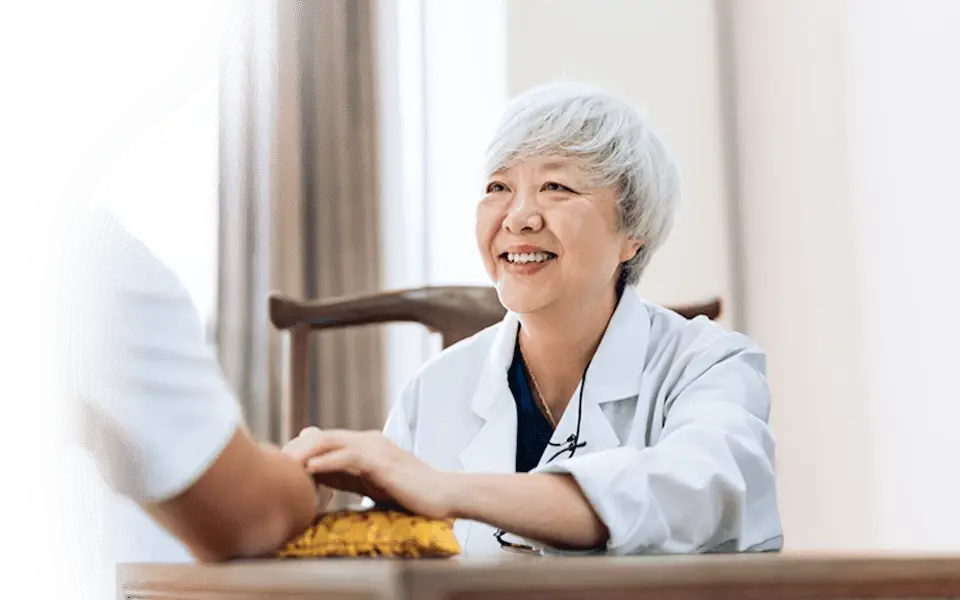
When cramps hit, many women turn to Traditional Chinese Medicine (TCM) for natural relief. To undersatbd the varied causes of menstrual pain, we spoked with Dr. Pi-Ying Chiu, a renowned TCM gynecologist in Tainan, who shared her insights on how TCM views and treats the common condition.
TCM Approaches and Insights for Relieving Menstrual Cramps
From the perspective of traditional Chinese medicine, menstrual pain mainly arises from poor circulation of qi and blood - the body’s vital energy and blood in TCM within the uterus and pelvic area during and around the menstrual period. When this flow is blocked, pain occurs. While a small number of cases are due to congenital structural abnormalities, most instances of menstrual pain can be attributed to the following causes.
1.Emotional tnesion and depression may disrupt the smooth flow of qi and blood, causing menstrual pain from qi stagnation and blood stasis.
2.After medical abortion, artificial abortion, or miscarriage, retained menstrual blood may stagnate in the uterus, leading to blood stasis and qi stagnation pain.
3.Regular consumption of cold drinks or foods, or long-term exposure to cold and humid environments, can cause cold-damp stagnation in the uterus, leading to menstrual pain.
4.Repeated uterine or pelvic infections, or long-term improper supplementation, may cause damp-heat accumulation inside the body, leading to menstrual pain .
5.Constitutional factors such as liver and kidney deficiency or qi and blood deficiency, can result in insufficient nourishment of the uterus, leading to deficiency-type menstrual pain.
6.In TCM, menstrual pain treatment depends on individual constitution. Approaches such as herbal medicine, acupuncture, and dietary therapy, along with lifestyle practices such as staying warm and reducing stress, These strategies help improve qi and blood flow and reduce menstrual pain.
How to take Si Wu Tang and Sheng Hua Tang? Expert Explanation of Their Differences and Uses
Si Wu Tang
Effects: The main ingredients - Dang Gui, Shu Di Huang, Bai Shao, and Chuan Xiong work together to nourish and replenish the blood. They also help enhance uterine contractions and support the healyhy flow of menstrual blood
When to Use: Si Wu Tang is recommended for use outside of menstruation. It can serve as a regular women’s gynecological care, but it is best to consult a healthcare professional before use and avoid excessive consumption.
Sheng Hua Tang
Effects: The main ingredients - Dang Gui, Yi Mu Cao, Ginger, Chuan Xiong, Tao Ren. It is known for its characteristic of “Revitalize and nourish in balance.” helping to expel old blood and stimulate the production of new blood, like its name, Sheng Hua Tang.
When to Use: Sheng Hua Tang has been used for many years to relieve menstrual pain. Dr. Chiu emphasizes that it helps invigorate blood, remove blood stasis, warm the uterus, and alleviate pain. It can help the body clear postpartum residues and also improve menstrual cramps. It is usually taken during the first to third days of menstruation.
What to do about Menstrual Cramps? Three Ways to Relieve Cramps through Diet, Lifestyle, and Daily Care.
To effectively relieve menstrual pain, herbal treatments are not the only option, daily diet and lifestyle habits play a key role as well. Here are three practical strategies to help improve your overall constitution:
1. Dietary Adjustments to Supplement Nutrition
● Calcium
Calcium helps relax muscles, easing menstrual cramps and discomfort.
Recommended foods: tofu, shrimp, and milk.
● Iron
Iron is essential for blood production during menstruation.
Recommended foods: Duck blood, pork blood, beef steak, and red beans.
● B Vitamins
Blood loss during your period can leave you feeling weak. B vitamins help boost energy, while B6, B12, and folate are particularly beneficial for suppporting blood production.
Recommended foods: Eggs, legumes, dark green vegetables, and nuts
● Yogurt or Dietary Fiber
Rising progesterone levels may affect the digestive system, leading to constipation. It is recommended to consume probiotics or dietary fiber to support gut health.
Recommended foods: Whole grains, sweet potatoes, and taro
2. Lifestyle Adjustments
Low-intensity exercises, such as walking, stretching, and yoga, can help relax abdominal and back muscles, improve blood circulation and metabolism. These practices may reduce the occurrence of menstrual cramps.
3.Physical Therapy
Applying a warm compress to the abdomen can relieve cramps and pain. Massaging specific acupoints, such as Sanyinjiao (SP6), Xuehai (SP10), Taichong (LR3), and points around the uterus, can also help reduce discomfort.
Although menstrual discomfort usually lasts only one or two days, it often interferes with daily life and work. Therefore, managing and caring for menstrual pain is essencial and should not be overlooked. By following a balanced diet, regular exercise, and effective herbal treatments, women can ease discomfort and support overall well-being.
Common Questions About Menstrual Cramps — Expert Answers
In this special interview, renowned TCM gynecologist Dr. Bi-Ying Chiu provides an in-depth look at common menstrual cramps experienced by women.
Q:Can menstrual pain be completely relieved?
A:Menstrual Cramps should be addressed according to its underlying cause to achieve effective results. Most cases can be improved with treatment and guidance from a professional doctor, and even persistent pain can be alleviated with appropriate management. Avoid blindly taking supplements, self-medicating, or ignoring professional advice.
Q:What potential side effects should be considered when using herbal treatments for menstrual pain?
A:One major advantage of traditional Chinese medicine (TCM) is that it generally has fewer side effects, but proper usage is essential to fully benefit from its effect. Herbs used to treat menstrual pain can invigorate blood, resolve blood stasis, move qi, disperse cold, eliminate dampness, clear heat, and strengthen the liver, kidneys, and qi and blood. Treatment should follow TCM principles of syndrome differentiation and individualized therapy to avoid adverse effects. For example, those with deficiency should be nourished rather than given purgatives, and those with heat should be cleared rather than supplemented. Otherwise, it may be counterproductive. Correct usage brings benefits; incorrect usage can cause harm.
Q:How long does it take for herbal remedies to relieve menstrual pain?
A:The cause and duration of menstrual pain can vary from person to person. With regular treatment and guidance from a qualified practitioner, noticeable improvement is usually seenwithin about six months
Expert Contributor | Dr. Bi Ying Chiu, Head of Chiu Bi-Ying TCM Clinic
Professional Background of Dr. Bi Ying Chiu
● Director, Bi-Ying Chiu TCM Clinic
Chief Physician & Attending Physician, Department of TCM, Chi Mei Medical Center
Education
Post-Bachelor Program in Chinese Medicine, China Medical University
Area of Expertise
・TCM Gynecology & Infertility
・Menstrual Disorders
・ Treatment of Menstrual Cramps Treatment
・Postpartum Care & Recovery
・Menopause Care